
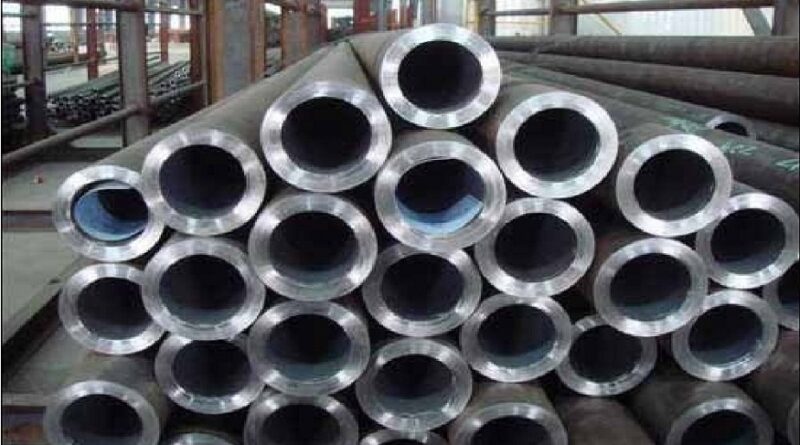
Why Reliable Supply Chains Still Matter in Modern Industry
Modern industry moves quickly. Projects are planned to tight deadlines, production schedules are carefully managed and expectations around delivery have never been higher. Across construction, engineering and manufacturing, efficiency is often seen as the key to success.
Yet behind every successful project sits something more fundamental. Reliable materials and dependable supply.
Steel remains one of the most important materials in modern industry because of its strength, flexibility and durability. However, the quality of a project does not depend solely on the material itself. It also depends on how consistently that material can be sourced, processed and delivered when needed.
The hidden importance of dependable supply
Reliable supply chains rarely attract attention when they are working properly. Materials arrive on time, production continues smoothly and projects move forward as planned.
Read More : Charles Spinelli Discusses a Few Important Types of Employee Benefits
Problems only become visible when something breaks down. Delays in delivery can hold up entire construction schedules. Missing materials can stop fabrication work completely. Inconsistent quality can lead to costly rework and disruption.
This is why dependable supply remains one of the most important but overlooked parts of industrial operations.
Why timing matters as much as quality
Quality is essential, but timing is equally important. A high-quality material delivered too late can still create major issues for a project.
Construction and manufacturing often rely on carefully coordinated schedules. Multiple trades, suppliers and contractors work around planned delivery windows. When one part of that chain is delayed, the impact spreads quickly.
Reliable supply helps businesses maintain momentum. It reduces uncertainty and allows teams to focus on completing work rather than constantly adjusting plans.
The role of preparation in steel supply
Steel supply involves far more than simply holding stock. Materials need to be sourced correctly, stored properly and prepared to suit specific applications.
Processing methods need to be accurate to minimise waste and ensure materials are ready for use.
Attention to these details supports efficiency throughout the wider project. It also reduces the risk of delays caused by avoidable issues further down the line.
Why different industries require different approaches
Steel is used across a huge range of industries, each with its own requirements. Structural projects demand strength and consistency. Fabrication work often requires precision and adaptability. Manufacturing environments may prioritise efficiency and repeatability.
Understanding these differences is essential for effective supply. The right material for one application may not be suitable for another.
This is why experience matters. Suppliers who understand how steel is used in practice are often better equipped to support different sectors effectively.
Availability in an unpredictable market
Global supply chains have become increasingly unpredictable in recent years. External pressures, transport disruption and fluctuating demand can all affect lead times and material availability.
Having access to reliable local stock helps businesses reduce some of this uncertainty. It allows projects to continue moving even when wider supply chains face pressure.
This is one reason why many companies continue to rely on experienced steel suppliers who can provide both availability and consistency during changing market conditions.
The value of long-term relationships
Industrial supply is not purely transactional. Strong working relationships often play an important role in helping projects run smoothly.
When suppliers understand the needs, timelines and pressures faced by their customers, they can provide more effective support. Communication becomes clearer and problems can often be addressed before they escalate.
Long-term relationships also create trust, which is especially valuable in industries where reliability matters every day.
Why material knowledge still matters
As industries become more digital and automated, technical knowledge remains just as important. Different grades of steel behave differently depending on the application, environment and load requirements.
Understanding these differences helps ensure the right material is selected for the job. It also supports safety, durability and long-term performance.
Companies such as P&D Northern Steels work across a range of industries where practical material knowledge continues to play an important role in project success.
Reducing waste through better planning
Waste reduction has become an increasing focus across construction and manufacturing. Rising costs and sustainability goals both encourage businesses to use materials more efficiently.
Accurate planning, reliable supply and effective processing all help reduce unnecessary waste. When materials arrive correctly prepared and on schedule, projects are less likely to require last-minute adjustments or replacements.
This improves efficiency while also supporting environmental responsibility.
Steel and long-term sustainability
Steel remains widely valued because of its durability and recyclability.
However, sustainability also depends on how materials are sourced, transported and used. Efficient supply chains and responsible handling all contribute to reducing environmental impact.
Long-term thinking is becoming increasingly important across the entire industry.
Adapting to changing industries
The industries that rely on steel continue to evolve. Advances in technology, design and manufacturing methods all influence how materials are specified and supplied.
Suppliers need to adapt alongside these changes. Flexibility, investment and practical understanding all help businesses remain responsive to modern demands.
Read More : Salesforce Developers: Skills, Trends, and Smart Hiring
While the applications continue to develop, the importance of reliable material supply remains constant.
The foundations behind successful projects
Many of the most important elements of a successful project are rarely visible once the work is complete. Careful planning, dependable supply and strong coordination all happen quietly in the background.
Reliable materials form part of that foundation. They support consistency, reduce disruption and help projects move forward with confidence.
In fast-moving industries, dependable supply is not just convenient. It is essential.