
How to Plan Langtang Valley Trek Without Missing Highlights
One of the greatest value-for-money trekking adventures in Nepal, the Langtang Valley Trek features some world-class mountain scenery, rich Tamang culture, delightful landscapes, and quiet trails within striking distance from Kathmandu. Although the circuit is shorter than most other famous trekking routes in Nepal, if you plan for adequate time, it can be done without any need to rush from highlight to highlight.
The perfect Langtang Valley Trek itinerary allows backpackers to trek without getting fatigued out on foot and offers views of ethnic forms, ancient monasteries, and geographic experiences with nature sightseeing. Right from the beginning to our last days in Kyanjin Gompa, every bit of this mayhem has a special flavor. Planning is essential for such treks so you can do the Langtang top to bottom and not be forced to skip the things that make these experiences memorable.
Choose the right duration and route of the trek
The initial step to planning a successful Langtang Valley trek is selecting the right duration. The route takes most visitors a minimum of seven – ten days to walk, but you can take as long as you like depending on your fitness and level of exploration. It is a trek that should take you approximately 10–12 days to reach Kyanjin Gompa but will give you the richest of cultural and natural havens that I know are currently lacking in your hurried itinerary. All the time you pile on allows for a much more rewarding process of acclimatization and discovery. The presence of Syabrubesi, Lama Hotel, Langtang Village, and Kyanjin Gompa in a balanced itinerary does justice to the admiration for nature as well as respect for the communities.
Start Your Journey From Syabrubesi
Syabrubesi, a traditional old trailhead, offers the original route of the Langtang Valley trek guide and also allows you to enter into closer remote areas for fine trekking without going through wilderness life. This is the village where the changeover from busy city life to calm Himalayan sky begins once you reach here. As you travel up to Syabrubesi, the oncoming road snaking around picturesque hills and valleys will be your first glimpse of Nepal, out in full force.
Preparing ahead of time: It takes so much preparation before the journey can start; however, you will be confident that it will be comfortable to take this trip as long as you spend hours for its preparation ahead. The trail, as it does so often for trekkers in the Langtang region, is where the natural and cultural top views have greater opportunities to experience more than try anything else from Syabrubesi, coming here to drift into forests and mountain scenery.
Explore Traditional Tamang Villages
Long the natives of this verdant valley are the Tamang, who offer a great opportunity to immerse yourselves in their unique culture and rich heritage on the Langtang Valley trek. On the way, you encounter cultures, traditions, and simple lifestyles all alongside great Himalayan hospitality.
Places such as Langtang Village also provide ample opportunity for cultural exploration, where trekkers can get a glimpse into the classic lifestyle of mountain men and their intimate relationship to nature. The trekking experience is also great because of the nice walk through villages and talking with local people.
Lamahotel & Forest Trails
It is a hiking route through green forests and riverbeds to Himalayan wild plants. You can utilize nature, doing wildlife watching and getting the feeling of landscape away as elevation rises in this section. The great range of the mountains is usually missed by most trekkers who only spend time on their high-altitude sections and often underestimate what is offered by their lower forest areas. Spending some time here, and you will enjoy the other extremes of Langtang, from green forests down to dark mountain valleys.
Spend Time at Langtang Village
Langtang Village [local]: Ending of the trek in a better cultural and scenic setting. This village embraces you in the lap of the grand Himalayas and shines with the life of local people.
A village gives more background about the history and culture of the area and is a better place to rest than up high. Located not far from a resting point, you must plan your itinerary to visit Langtang Village if you do not want to miss one of the marks along the trek through the beautiful Langtang Valley.
The view from Kyanjin Gompa
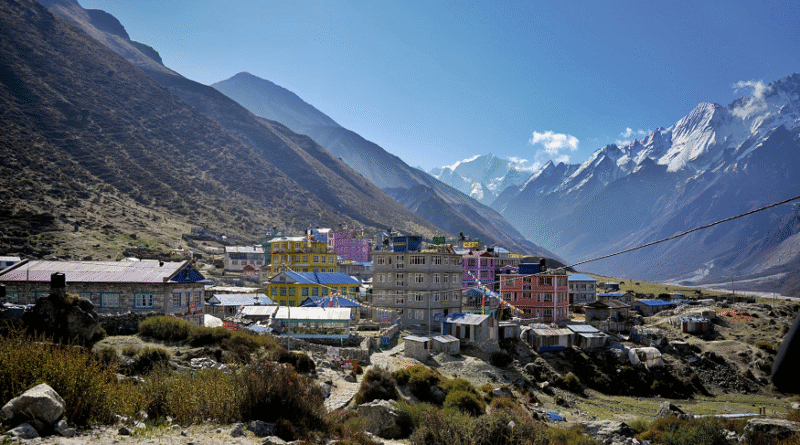
Kyanjin Gompa is the last station and one of the most important attractions of this Langtang Valley trek. This beautiful mountain village yields great views of Langtang, Lirung, glaciers, and other mountains of the central Himalayas. Several trekkers spend an additional day here seeing monasteries, exploring the valley, and visiting other viewpoints nearby. At Kyanjin Gompa, short side hikes involving climbs to vantage points closeby yield some of the finest scenery you’ll encounter on the whole walk. The best way to drink in these stunning landscapes is to ensure you get enough time at Kyanjin Gompa—without having an immediate flight back after landing!
Add a Scenic Viewpoint Hike
Best Tip: Take a viewpoint hike on your Langtang Valley trek. The best tip on how to make your trip memorable is some sort of viewpoint hike. The Kyanjin Gompa viewpoint This is a usually famous viewpoint that I teach that gives a vantage of 360 levels, overseeing all dated back toward 20 million years and viewing many Himalayan peaks, glaciers, and valleys.
They are steeper, rougher, and less traveled, but they pay dividends with some of the real gems of the route. It keeps you under your own grinding pressure cooker schedule in many of these beautiful places, but also packing an additional high-altitude day. These portraits are particularly useful for photographers and trekkers who want to capture the true spirit of the Langtang region.
Ideal Season for the Langtang Trek
The highlights of the experience for the Langtang Valley trek are mostly dictated by your season selections. Spring and autumn months are generally taken as the most appropriate seasons for trekking with regard to stable climate, clear mountain views, and better strolling conditions. In the spring, the forest is colorful, and large, bright-colored rhododendrons bloom everywhere, and during the autumn season, all Himalayan peak sites are covered in sights.
Winter is the perfect time to explore trails in solitude and see splendid snowy landscapes, but it does require you to be well prepared for rough weather The shrubs here are greener, but often the monsoon makes it a tricky trail to walk on. At least selecting the proper season gives you a legitimate opportunity to catch anything worth catching (which, in their own way, could all be pretty epic).
Learn Your Past so You Can Appreciate Every Moment
A good preparation guarantees that you do not miss out on what the Langtang Valley Trek has to give. To Enjoy a Great Adventure Learn the hard-hikes’ walking distances, carry out the pack properly, keep fit, and be mindful of altitude difficulties like difficulty breathing.
Equipping them with proper hiking gear and ensuring that you take adequate breaks makes the trek a leisure rather than a to-do. A well-thought-out itinerary can balance the elements of adventure and solace and imagination in nature or culture. Provided you go prepared, the trip lets you go and experience what Langtang is really about without too much begrudging.
Final Conclusion
It feels like every highlight that this beautiful part of the Himalaya has to offer simply cannot be missed, and that is where a well-planned Langtang Valley Trek comes into play! Its flock is in quiet forest trails, conventional Tamang towns, and views of Kyanjin Gompa.
To get the most out of trekking, do not rush, Take your time to explore and savor the nature and culture. Travelers have an opportunity to see all the lavishness of Langtang Valley by selecting the proper itinerary, time, and level of readiness. It is the perfect Nepalese trekking experience for someone seeking a combination of culture, national parks, and breathtaking Himalayan scenery that will last a lifetime.