
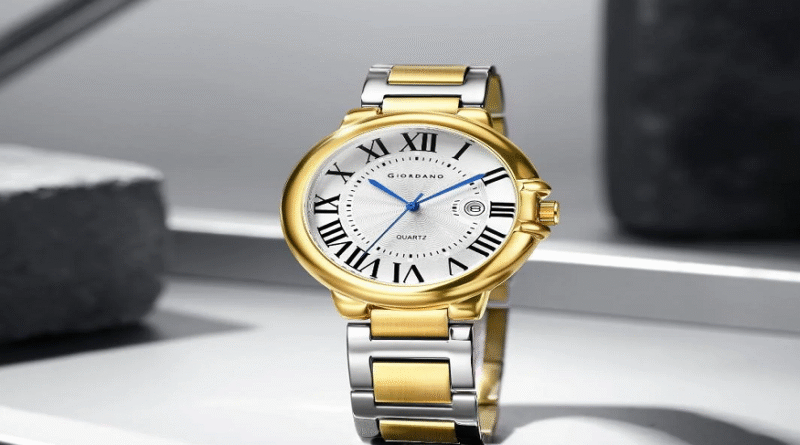
Watch Essentials: What to Look For Before You Buy
Buying a watch feels simple until you actually start looking; then suddenly there are straps, dials, movements, and finishes to think about. A watch is not something you swap out often, so getting it right the first time matters more than with most accessories. Here is what actually helps before you buy one.
Know What You Will Wear It For
A watch for daily office wear is not the same as one for weekend outings or special occasions. Think about where it will actually sit on your wrist most days before deciding on a style. That decision alone narrows down a lot of the choices you would otherwise get stuck on.
A few things worth sorting out first:
- Will this be your everyday watch or something for occasions?
- Do you prefer a simple dial or one with more detail?
- Does your wardrobe lean formal, casual, or a mix of both
Giordano Watches For Clean, Everyday Style
If you want something that works without drawing too much attention, Giordano watches fit that space well. The designs stay simple, which makes them easy to wear with formal and casual outfits alike. A watch like this becomes the one you reach for most days because it just works, no overthinking needed.
Vintage Watches ForA Bit Of Character
Sometimes a plain watch is not what you want. Vintage watches bring in a look that feels different from everything else on the shelf: older dial styles, warmer tones, details that stand out more. These work well when you want your watch to say something about your style, not just tell the time.
Strap Material Changes How It Feels All Day
The strap decides comfort as much as the face decides looks. Leather looks sharp with formal wear but can feel warm after long hours. Metal holds up well over time but might feel heavy on smaller wrists. Silicone or fabric works best for daily wear, especially if you are on your feet a lot.
A quick way to think about strap choice:
Read More: Salt-Based vs Salt-Free Water Converters Compared
- Leather, best for formal or office wear
- Metal, durable but can feel heavier on the wrist.
- Silicone or fabric, comfortable for daily and casual use
Size And Fit Matter More Than People Expect
A watch that is too big can look odd on a smaller wrist, and one too small can get lost against a larger frame. Check the case diameter before buying, and try it on if you can, since photos rarely show true scale. The strap should sit snug without pinching or sliding around your wrist through the day.
A few fit checks worth doing before you buy:
- Measure your wrist first; do not just guess the size.
- Try it on and move your wrist around, not just look in the mirror.
- Check if the strap has enough holes or links to adjust properly.
- See how the case sits under a shirt cuff if you wear formal clothes often.
Movement Type Affects Maintenance Down The Line
Quartz watches run on batteries and barely need any upkeep beyond the odd battery change. Automatic ones work differently; they run off movement, so they need regular wear or winding to stay accurate. Go quartz if low maintenance matters to you. Automatic makes more sense if you actually enjoy the mechanics behind it.
To Wrap Up
Giordano watches make sense for the daily grind, simple enough to pair with almost anything, while vintage watches are worth reaching for when you want your wrist to say something more. Get the size and strap right, and it stops feeling like an accessory you’re just wearing and starts feeling like one you actually chose. AJIO’s a good place to line up the options and reviews before you settle on one.
FAQs
1. How do I figure out the right watch size for my wrist?
Just check the case diameter against your wrist. Under 40mm suits smaller wrists better; bigger wrists can pull off larger cases without issue.
2. Do Giordano watches suit formal wear?
Pretty much, yeah. The designs stay simple, so they blend into formal outfits instead of standing out too much.
3. What is actually different about vintage watches?
Mostly the dial and the tone. They lean older, a bit warmer-looking, and that gives them more personality than a plain modern face.
4. Which strap material tends to last the longest?
Metal, most of the time. Leather can age well too, but only if you actually take care of it. Metal needs less thought overall.
Read More: How Long Does It Really Take to Plan a 1,000+ Delegate Conference?
5. Do automatic watches take more effort than quartz?
They do, a fair bit, actually. You have to wear or wind them regularly, or they lose accuracy. Quartz just wants a battery swap once in a while.