
Why Air Purifier Filters Have Layers – and Why Each One Matters
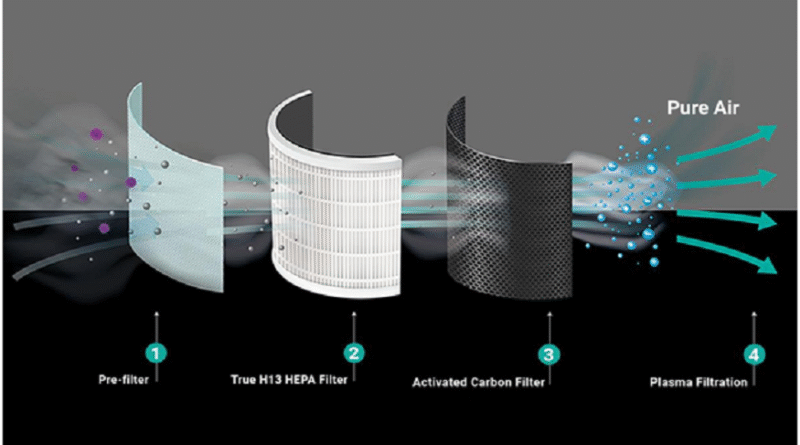
Air purifiers rely on multi-stage filtration systems to remove a wide range of indoor pollutants. A single filter cannot handle all types of pollutants effectively, making multiple layers necessary. Each filtration stage targets specific contaminants, such as a pre-filter that removes large particles like hair particles, a HEPA filter that traps fine dust like particulate matter, and activated carbon layers that remove odours. They all work together and ensure the user receives purified air.
What Each Air Purifier Filter Layer Actually Does
1 . Pre-Filter
Pre-filters serve as an initial defence mechanism for your air purifier. They are designed to
remove larger debris, including dust, pet dander and loose hair, before they reach subsequent filters. This layer helps reduce strain on the main purifier filter system and can improve the lifespan of subsequent filters.
2. HEPA Filter
HEPA filters are designed to capture extremely fine airborne particles, which are difficult to remove through ordinary cleaning methods.
Read More : Modular Kitchen Design for Real Life: Layouts That Actually Work in Busy Indian Homes
They may include:
- PM 2.5 particles
- Pollens
- Fine household dust, such as cooking fumes.
Since these particles are microscopic, they often remain suspended in indoor air for long periods and may settle on furniture, upholstery, and bedding. Continuous exposure can contribute to respiratory discomfort, allergy, sneezing, throat irritation, and poor indoor air hygiene, especially in homes exposed to dust, traffic pollution, or seasonal allergens.
3. Activated Carbon Filter
Activated carbon filters contain a porous surface structure that is capable of absorbing:
- Cooking-related smell
- Smoke reside
- Chemical fumes
- Volatile organic compounds
This makes them particularly useful in kitchens, houses exposed to vehicle pollution, or compact spaces with limited ventilation. However, the effectiveness of an activated carbon filter often depends on the amount and quality of carbon used within the purifier.
4. Plasma Filtration Technology
Plasma filtration technology is effectively utilised for removing or neutralising harmful microbes in the air by attaching ions to them, and making them easier to capture. It provides an additional layer of purification after the pre-filter, HEPA filter and activated carbon filter to ensure availability of safe and clean air.
Why One Filter Alone Is Not Enough
Indoor air pollution is a cocktail of different pollutants, including solid particles, allergens, smoke, gases, and odours. Since each pollutant behaves differently, relying on a single purifier filter limits the effectiveness of air purification.
For example, a HEPA filter may efficiently capture fine dust particles but cannot remove gaseous pollutants or strong odours. Similarly, activated carbon filters help reduce odours but are not designed to trap microscopic particulate matter like PM2.5.
Layered filtration allows each purifier filter to focus on a specific type of contaminant, creating a more balanced and efficient air purification process.
Conclusion
Modern air purification systems rely on layered filtration because indoor air pollutants vary widely in size and composition. Each purifier filter layer is designed to address specific contaminants, from larger dust particles to microscopic pollutants and odours.
Pre-filters, HEPA filters, and activated carbon filters each serve a distinct purpose within the air purification process. When these layers work together, they improve filtration efficiency, support cleaner indoor air, and help maintain better long-term purifier performance.
Read More : Hard Water to Soft Water Solutions: Which System Is Right for You ?
Understanding how these filter layers function can help households choose an air purifier better suited to their indoor environment, pollution exposure, and daily air quality needs.