
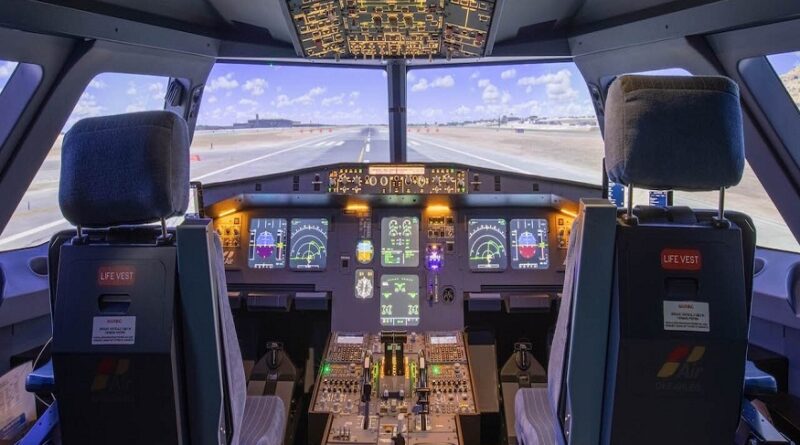
From Ground School to Flight Deck: How to Earn Your Airbus A320 Type Rating
Earning an A320 Type Ratings qualifies you to fly one of the most successful, widely operated commercial aircraft families in aviation history. This highly sought-after certification opens immediate doors to global airline careers, as the short-to-medium-haul market relies heavily on this specific jet. Transitioning to the A320 requires mastering advanced fly-by-wire technology, automated flight management systems, and a unique flight deck philosophy that treats the pilot as a systems manager.
-
Secure Your Prerequisite Licenses and Flight Hours
You cannot jump straight into an Airbus flight simulator without a solid foundational background in aviation. Regulatory bodies require candidates to hold at least a Commercial Pilot License with a Multi-Engine Land and Instrument Rating before beginning a type rating course. Many airlines and training academies also require a valid Multi-Crew Cooperation certificate, which prepares you to operate effectively in a two-pilot flight deck environment.
Read More : Modular Kitchen Design for Real Life: Layouts That Actually Work in Busy Indian Homes
Beyond the baseline licenses, you need to log a specific number of flight hours, typically including substantial time as pilot-in-command and cross-country experience. A solid understanding of advanced aerodynamics and high-altitude weather operations makes the transition to a heavy jet much smoother. Meeting these prerequisites ensures you have the core stick-and-rudder skills necessary to handle a high-performance commercial airliner.
-
Master the Airbus Fly-by-Wire Philosophy
The transition to the Airbus ecosystem begins with a deep dive into its unique design philosophy, which differs significantly from traditional aircraft. Airbus uses electronic interfaces rather than direct mechanical linkages to move flight control surfaces. This means you must adapt to using a side stick instead of a traditional yoke, relying on flight control “laws” and built-in flight envelope protections that prevent the aircraft from exceeding structural or aerodynamic limits.
During the ground school phase, you spend hours learning how the aircraft computers interpret pilot inputs. You will study electrical, hydraulic, pneumatic, and fuel systems in detail to understand how they interact under normal and abnormal conditions. Grasping this system architecture is vital, as the modern glass cockpit requires you to monitor automated processes rather than manually fly every leg of the journey.
-
Dominate the Flight Management and Guidance System
The heart of the A320 flight deck is the Flight Management and Guidance System, which manages navigation, performance calculation, and flight path guidance. Pilots interact with this system primarily through the Multipurpose Control and Display Unit, a keypad interface used to program the flight plan, fuel weights, and departure procedures. Mastering this data entry process is one of the steepest learning curves for transitioning pilots.
Training involves memorizing specific programming sequences and understanding how to modify routes mid-flight due to air traffic control changes or weather diversions. Speed and accuracy in programming this system directly dictate your success during high-workload simulator sessions.
-
Excel in Crew Resource Management and Flows
Operating a commercial jetliner requires flawless coordination between the captain and the first officer. Airbus relies heavily on standardized “flows,” which are memorized sequences of actions and switch selections performed at specific phases of flight. You must learn your specific duties as either the pilot flying or the pilot monitoring, ensuring that every checklist is executed with absolute verbal confirmation.
Crew Resource Management training teaches you how to communicate clearly under extreme pressure, manage workload distribution, and maintain situational awareness. Simulators mimic real-world emergencies, such as sudden depressurization or electrical failures, to test how well you and your crew partner utilize all available resources to bring the aircraft to a safe landing.
Read More : The Impact of Core Web Vitals on Modern Digital Marketing Costs
Conclusion
Completing an Airbus A320 type rating is a challenging milestone that transforms you from a general aviation pilot into a highly capable airline professional. Success relies on disciplined self-study, adaptability to automated systems, and a commitment to standardized procedures. Once you pass your check ride, you hold a qualification that remains in massive demand by major carriers worldwide, setting the stage for a rewarding career in commercial aviation.